
Consequences

Photo by Bradyn Trollip on Unsplash

During the course of therapy, clients are often confronted with making choices. Often times, they will assume that a choice that is good for them has no consequences. The reality is that every single choice we make has consequences. Whether the choice is good or bad does not matter, the consequence still exists.

In making good choices, there are of course opportunities for good consequences. If we have been abusing alcohol and we choose to stop drinking, good consequences of better health, clearer minds, longer lives possibly arise. But there can be bad consequences as well such as withdrawal symptoms, loss of relationships with those who continue to abuse alcohol, and possibly switching addictions to something else.

When clients start to change through therapy and decide that they want things in their lives to change as well, these are good choices. However, they come with consequences. Loss of relationships with people whose behaviors towards us we can no longer tolerate. Changes in other relationships due to installation of boundaries. Loss of relationship can even include divorce. Loss or change of job if the job is a source of some of the issues for which we came to therapy. Moving to a different home or even state after relationships end.

Even if choices are good for us and move us forward and away from our trauma, there are always consequences. Good and bad consequences. Many times, if this is not reinforced by the therapist, clients will feel as if they were not fully informed about what therapy can cause in their lives. Each therapist should take the time to explain, more than once, that the changes clients are making come with consequences. Good ones and bad ones.

Frank discussions should also take place when clients are unable to make good choices for themselves to discover what is standing in their way. For almost all of my clients, it is fear that keeps them from making good choices. Fear of the very consequences discussed above. Fear of change. Fear of ending up alone. Fear of people being upset with their boundaries. Fear keeps them stuck. Fear causes them to choose not to make good choices but even that is a choice. The consequence for no choice is no change.

When deciding to make choices, we should also take the time to consider the consequences. Good and bad. For every single choice, good or bad. And then to evaluate our ability to accept them. To make a plan for acceptance and response. They will come every single time and it is better to be mentally prepared for what comes with them.

“Wisdom consists of the anticipation of consequences.” ~ Norman Cousins
Toxic Hope

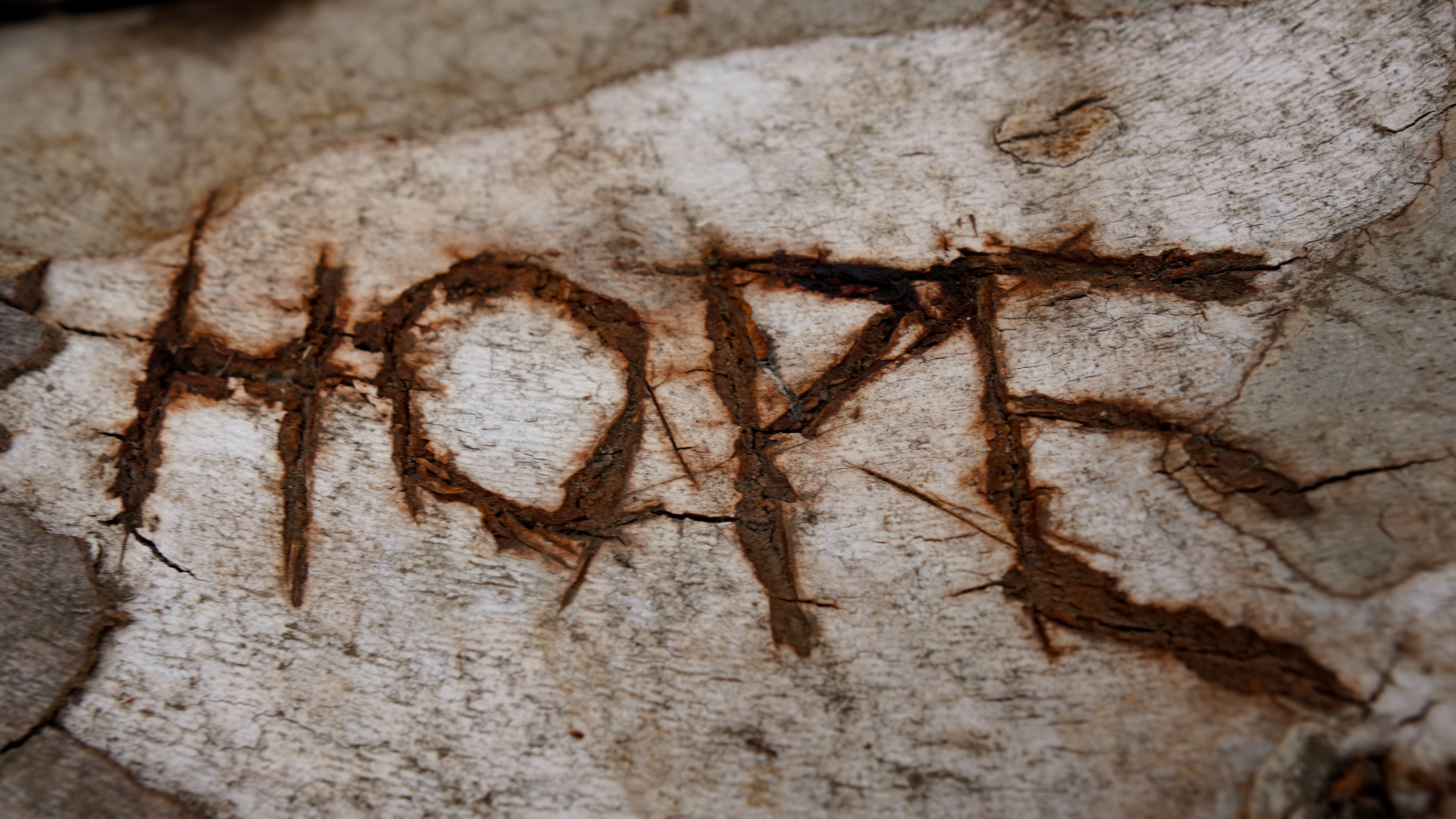
There are two kinds of hope for humans. The kind you need to survive and the kind you need to abandon. The hope you need to survive is the one where you do not feel absolutely hopeless and that there is no reason to live. The kind you need to abandon is toxic hope or the hope you hold on to in toxic relationships “hoping” they will change and being unable to leave.

Toxic hope is probably one of the biggest problems most humans have. It originates in trauma. When our negative beliefs are such that we are always seeking something in relationships to fill those unprocessed holes we cling to toxic hope. We go from toxic relationship to toxic relationship trying to find the one that is going to fill up the holes we have as a result of our trauma. A broken biological mother bond – we either look for someone to make us feel like they are our mothers or we mother others. A trauma of not having value or being worthwhile – we cling to someone we think is going to value us or make us feel worthwhile…one day. A trauma of needing to people please in order to be loved we keep doing everything for someone no matter how they treat us because “one day” they might love us like we seek to be loved.

Toxic relationships are formed as codependency or trauma bonding, we believe no one else will be able to accept or understand how we are except this person no matter how bad the relationship is. Fear of loss or abandonment, we must hold on to the person we have no matter how toxic they are so that we are not alone. And we keep hoping and hoping that things will get better. We keep hoping that we will get what we are seeking to find. We keep hoping that this person will wake up one day and be different.

And we end up stuck and unable to break free and spend years of our lives….hoping. And lying to ourselves.

The only way to get out of these toxic hope relationships is to examine ourselves and why we stay…why we truly stay. What is it in us that compels us to keep “hoping” to keep lying and to keep staying? We must dig deep and answer truthfully. It will always…always…always lead to unprocessed trauma.

Once you have answered the question truthfully, then what will you do about it? It can get messy. There can be children involved, divorces, and financial issues. It can be very difficult to extricate yourself. But there are only two options – free yourself from the relationship and your trauma and free your life or stay and suffer all the consequences that follow. If you have children and are in toxic relationships, you are allowing this to traumatize your children and it does not matter their age – young or older – they will be traumatized and have their views of relationships and their worth in them damaged for life if you stay. Even if you leave, they need therapy too.

You make the choice. You can go or stay. Each has consequences. Going allows you to free yourself. Staying allows you to become enslaved and damaged. But the choice is yours and whichever choice you make you have to accept the consequences. Complaining that your life sucks because you chose to stay after you have answered the question of why you are there is no one’s fault but your own.

No hope will kill you and toxic hope will kill you it’s just a matter of how and when. Seek out a therapist to objectively help you examine why you are stuck in toxic hope situations and then make a choice.

Until next time be well,

Deborah